
You don’t have to walk this journey alone.
When your child is showing signs of neurodivergence, has recently received a diagnosis, or you are trying to understand what support may be available, it can feel overwhelming.
There are new terms to understand, appointments to organise, decisions to make and systems to navigate.
I’m Madonna Volkman, a parent who has spent more than 20 years supporting my own neurodivergent children and navigating the challenges that can come with diagnosis, services, education and the NDIS.
I created The Spectrum Journey to give parents the practical guidance, reassurance and hope I wish I had received when my own journey began.

Real guidance from a parent who’s walked the path.
It’s normal to feel unsure about what comes next.
You may be wondering whether your concerns are valid, who you should speak to, what questions you need to ask or how you will manage everything your family may need.
You do not need to have all the answers today.
Sometimes the first step is simply talking to someone who understands the emotional and practical reality of the journey.

Understanding Your Next Steps

Preparing for Appointments

Navigating NDIS

Ongoing Parent Support
Identify questions to ask, information to gather and concerns you may want to raise with health, education or support professionals.
Identify questions to ask, information to gather and concerns you may want to raise with health, education or support professionals.
Receive practical, lived-experience guidance to help you understand terminology, prepare for conversations and feel more confident navigating the system.
Have someone in your corner who understands that this journey can be emotional, exhausting and difficult to navigate alone.

Meet Madonna
A parent, a guide and someone who understands
For more than 20 years, I have advocated for my two neurodivergent sons, searched for answers, attended appointments, navigated education and support services, and worked through the complexities of the NDIS.
I know what it feels like to wonder whether you are asking the right questions. I also know how much difference it can make when someone listens without judgement and helps you see the next step more clearly.
The Spectrum Journey was created so other parents can benefit from the knowledge, experience and practical lessons I have gathered along the way.

Free Resource
Not sure whether it's time to seek further support?
The Spectrum Journey Prediagnosis Checklist will help you:
Record behaviours, patterns and concerns
Prepare for conversations with professionals
Identify useful questions to ask
Organise important information
Take your next step with greater confidence
This is a Paragraph Font
Practical guidance for every stage of the journey
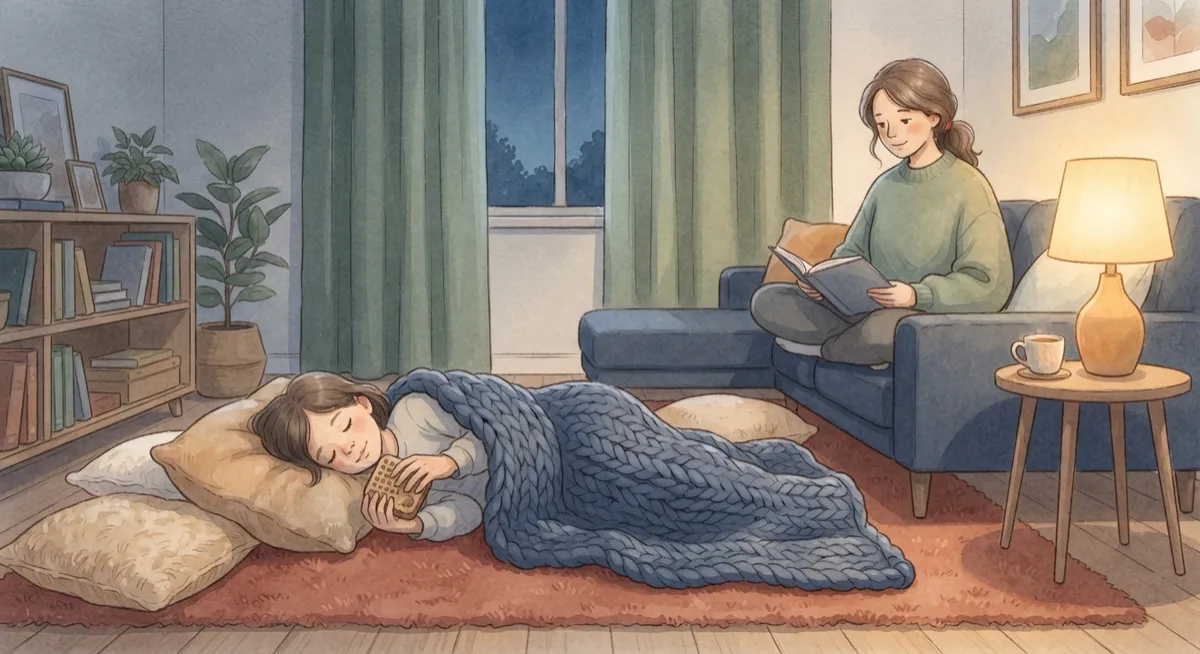
Making Mid-week More Manageable
**Making Mid-week More Manageable **
By Wednesday evening, neurodivergent households frequently experience peak fatigue from days of masking, sensory overload, and executive dysfunction. Pressuring these families to adhere to rigid neurotypical routines—such as formal dinners, immediate homework, or structured bedtimes—often leads to mutual frustration. Instead of forcing a standard mould, parents can adjust their mid-week rhythm to prioritise emotional regulation and low-demand connection.
Low-Demand Sensory Decompression:
After hours of holding it together at school, neurodivergent kids often experience "after-school restraint collapse." A mid-week reset starts by immediately lowering sensory input.
The "Quiet 20": Establish a rule where nobody has to talk, answer questions about their day, or make decisions for the first 20 minutes after getting home. Being bombarded with questions, information or instructions is a sure way to push tolerance levels into the red.
Lighting and Sound Shifts: Dim the overhead lights, close the curtains, and put on low-frequency background noise (like brown noise, rain sounds, or a familiar comfort show) to soothe an overworked nervous system. Creating a calm environment helps facilitate creating an inner calm.
Heavy Work Input: Proprioceptive input helps ground the body. Encourage pushing against a wall, carrying a heavy basket of laundry, burrowing under a weighted blanket, or doing a "human burrito" roll-up on the living room floor. Think any activity that requires push, pull, stretch, or bearing weight against resistance. Not only is this grounding but it also provides a natural calming and organising effect on the nervous system.

You may be at the beginning of the journey, but you do not have to begin it alone.
Book a confidential guidance call with Madonna and talk through where you are, what is concerning you and what your next step may be.

Real guidance from a parent who’s walked the path.
Quick links
Contact
© The Spectrum Journey. 2026. All Rights Reserved.